Resources are precious to us
According to UNICEF, 3.3 times the earth would be needed to keep up with consumption levels of the OECD and EU countries. This rate of resource use is clearly unsustainable. Moreover, the extraction, processing, and disposal of natural resources can have significant environmental impacts.
Our business activities rely on precious resources. We live up to our responsibility by improving our processes and products so that they require fewer and fewer resources and by adopting circular approaches wherever possible. This includes responsible waste management and disposal, and an environmentally conscious use of resources. Our commitment to conserving resources is reinforced by our recycling efforts, which help to keep precious metals within the cycle of use.

Targets and KPIs
Circular economy
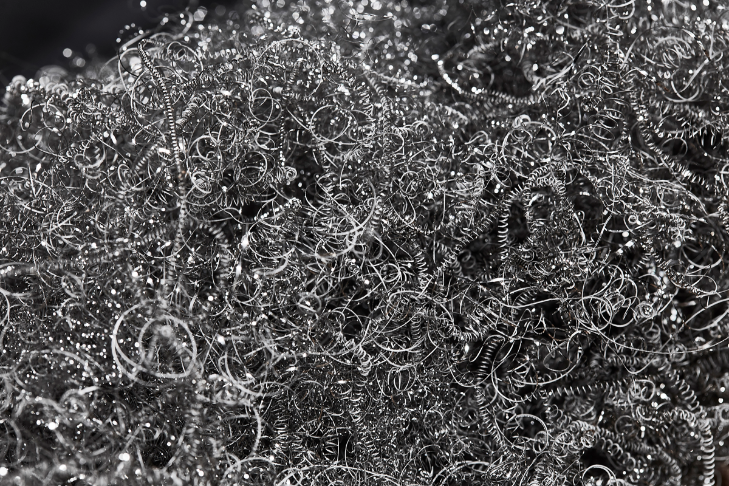
The recycling of precious metals requires a high level of technological expertise, including the ability to work with materials with different compositions to ensure an efficient recovery of precious metals without causing environmental harm.
Recycling precious metals
As part of our commitment to sustainable practices, we continue to promote a circular approach among our clients. We are constantly improving our production processes to maximize the retention of precious metals content. In cases where we are unable to process certain materials, we send them to certified third parties for recovery, thus ensuring that no precious metals are wasted.
Deviations from the secondary shares disclosed in the previous year’s Sustainability Factbook are due to a change in methodology aligned with the methodology update of our Scope 3 calculation. The biggest changes are linked to gold and silver investment and market mix material, for which we switched from a conservative 100% primary assumption to applying industry-average secondary shares.
Share of secondary precious metals
Waste and other materials
At Argor-Heraeus, we acknowledge the importance of responsible waste management. Once materials have served their purpose, we adhere to strict standards and procedures for their disposal. Our waste management practices comply with rigorous legal requirements, ensuring safe and responsible waste disposal.
Waste (tons)
-7 from 2023 to 2025
Water
Water plays a central role in our production processes: For example, it is needed in the chemical and electrolytic reactions during precious metals refining and is indispensable for cooling the processing machinery. Accordingly, we comply with all applicable laws and regulations for managing and handling water and wastewater.

Where we stand
In 2024, we conducted a detailed analysis of the water use at our site in Mendrisio, which accounts for the largest share of our water withdrawal. By the end of 2026, we will standardize the reporting approach for global operations to close identified gaps.
Water withdrawal (m3)
-5% from 2023 to 2025
Water usage in our value chain
The largest share of our water footprint is due to our upstream value chain. Hence, qualitative assessments of our mining partners’ water management systems, aligned with the LBMA standards, have long since been part of all our regular on-site assessments. We are furthermore working to improve our data transparency regarding our upstream mining partners’ water management. While the efforts are ongoing, we had made significant progress by the end of 2025. We collected and assessed data with a focus on our large-scale gold mining partners, representing roughly 79% of the precious metals volumes we sourced from mining partners in 2025. At the current state of our assessment, we have identified that at least 73% of the 2025 volume came from mining partners who disclose water-related data. We are also planning to look into the water targets set by our mining partners.

Biodiversity
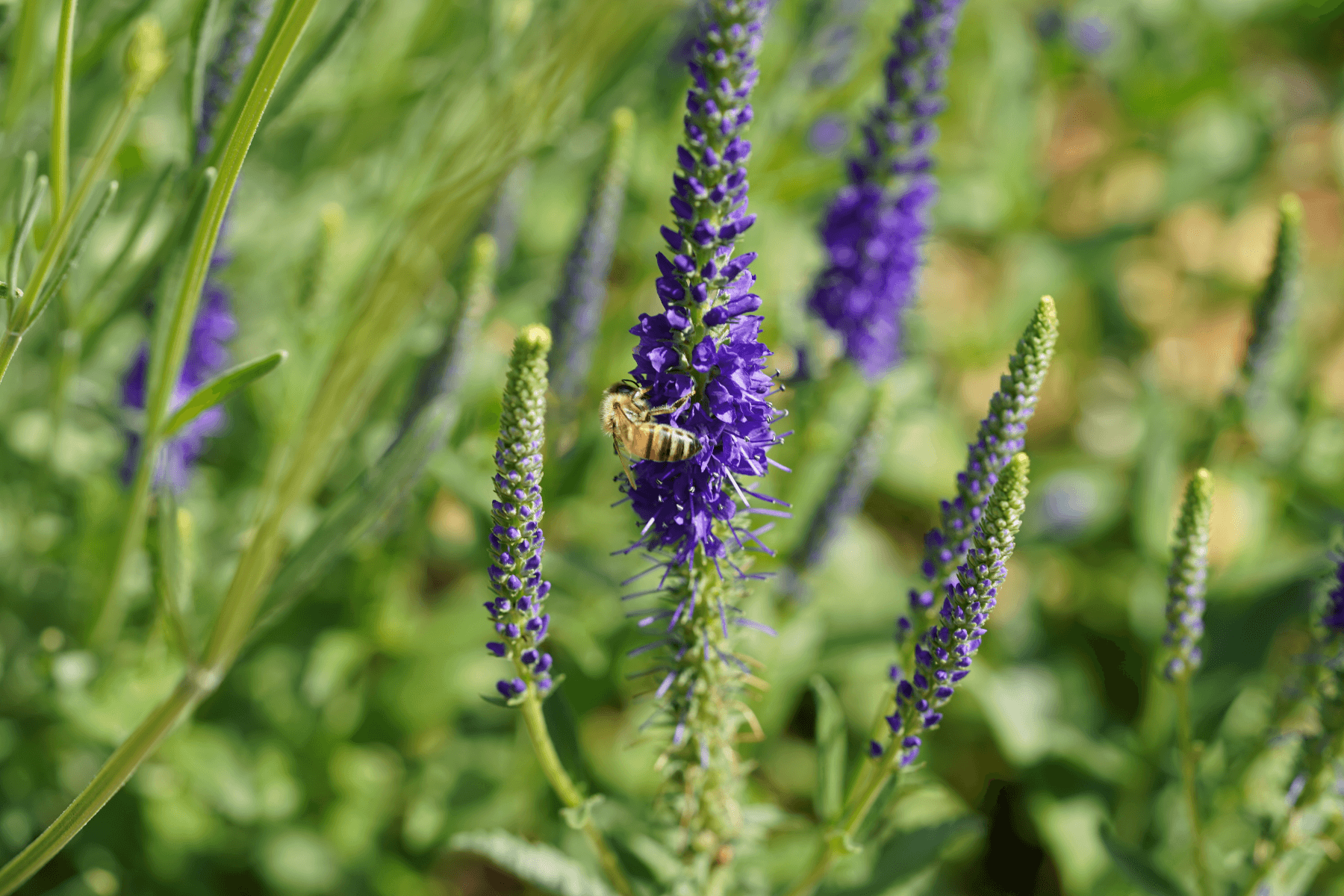
Healthy, well-functioning ecosystems are the foundation of all life on our planet. Both our own operations and our upstream value chain can impact the surrounding environment and its biodiversity. This is why, for us, responsible sourcing and use of precious metals also means paying close attention to these potential impacts and minimizing them where possible.
Where we stand
In 2024, we conducted a biodiversity impact assessment for all our production and recycling sites. We used the ENCORE5 tool to support the analysis, which helped us to identify the drivers of biodiversity loss that are most relevant to us. In 2024, we furthermore conducted a proximity analysis to identify biodiversity-sensitive areas near our sites, and repeated the analysis in 2025 for one site that relocated. It confirmed that none of our sites are located in a protected area. However, our sites in Mendrisio, Hong Kong, and Wurmberg are within a five-kilometer radius of such areas.
In accordance with the results of our analysis, our biodiversity approach for our own operations prioritizes GHG emissions, waste, and water use. As biodiversity is closely connected to other environmental matters, there is an overlap with already existing sustainability strategies, targets, and measures described in the other chapters of this Sustainability Factbook. Additionally, we work on site-specific measures described in this chapter, targeting relevant areas of biodiversity at each location as necessary.
For upstream mining activities, our current focus lies on further improving transparency. Our initiative includes collecting mine-specific data on various sustainability-relevant topics and developing a model to compare this data. Initially, we had been focusing on achieving transparency in data and targets related to GHG emissions, water, and biodiversity.
In 2025, during our second annual update, we broadened our focus to also include health and safety and waste. These efforts are aligned with our goal to ensure that 100% of our mining partners have sustainability-related targets and measures in place and track their progress and target achievement. There are also many examples showing that the precious metals mining industry is aware of its impacts and is taking measures to address and reduce them. We encourage our mining partners in their ongoing efforts to steadily become more sustainable and to promote the global ambitions of halting and reversing biodiversity loss.

Projects and initiatives
In 2024, our Mendrisio site planned to regenerate 30% of its degraded area to land use of a higher biodiversity value by 2030. The initiative is a response to the Global Biodiversity Framework’s target and follows a scientific approach. In the first step, we analyzed the Mean Species Abundance (MSA) land use score of the site by relating it to undisturbed ecosystems. The planned measures aim to improve this score in order to enhance biodiversity. In 2025, we successfully regenerated 890 m² of onsite surface. As a next step, the site plans to identify nature-degraded areas in its vicinity in close alignment with the City of Mendrisio and contribute to its renaturation.
Discover more