Climate is precious to us
Climate protection is one of humankind’s biggest challenges. Rising sea levels, forest fires, water shortages, severe weather events, and loss of biodiversity are just a few of the adverse impacts of climate change.
Our business activities result in carbon emissions at our company and along our value chain. We pledge to our responsibility by putting high priority on a significant and timely reduction of our carbon footprint.
Targets and KPIs2
Emissions
The Greenhouse Gas Protocol has defined three “scopes” of greenhouse gas (GHG) emissions:
- Scope 1
GHG emissions generated directly by the company’s activity. - Scope 2
GHG emissions from the generation of purchased energy consumed by the company. - Scope 3
GHG emissions occurring in the company’s value chain.

Where we stand
In 2025, continuing a multi-year trend, we made significant progress in emission reduction. We reduced our Scope 1 and 2 emissions by 68% compared to 2024 and if we extend this comparison to the baseline year 2019, we reduced our emissions by 93%.The achievement of the 68% reduction of Scope 1 and 2 emissions in 2025 breaks down to:
Our emissions
Scope 1 and 2 emissions
(tCO2e)
-93% from 2019 to 2025
Scope 3 emissions
(tCO2e)
-30% from 2020 to 2025
Energy consumption
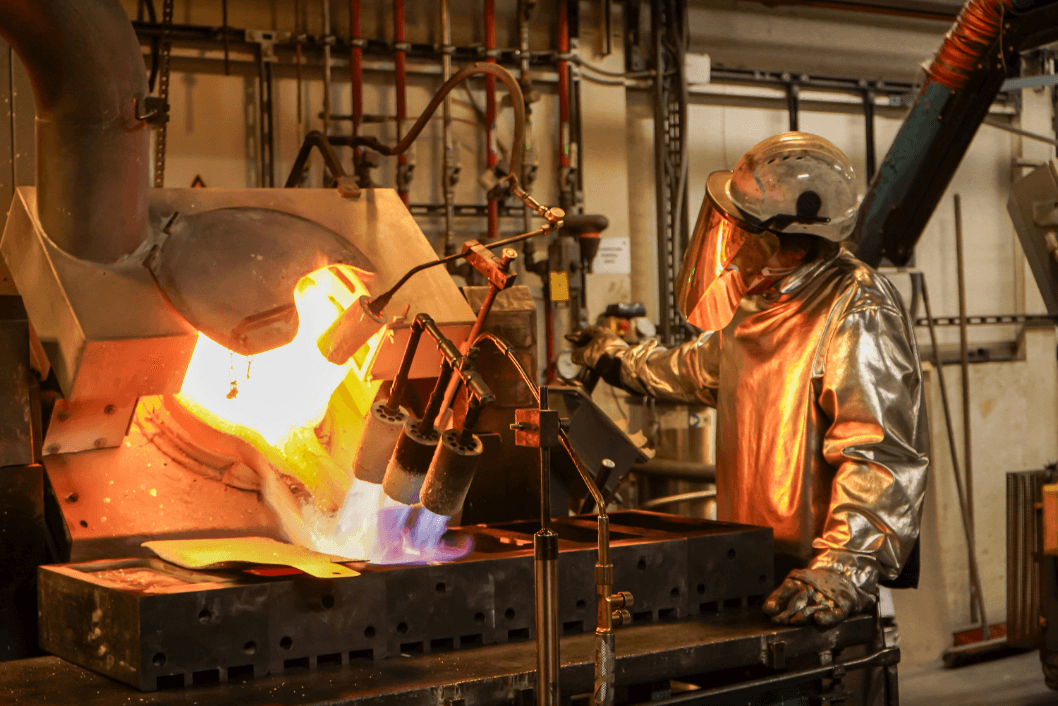
We rely on three main sources of energy for our production and business activities and to heat our buildings:
Where we stand
In 2025 we reduced our overall consumption by 1% compared to 2024. Energy consumption has decreased by 9% overall in comparison with our base year 2019.
Total energy consumption (MWh)
-9% from 2019 to 2025
Energy consumption (MWh)
Mendrisio, Switzerland
Energy consumption (MWh)
Hong Kong SAR, China
Projects and initiatives
We are committed to reducing energy consumption by improving the efficiency of our operations. In 2025, we continued this effort by implementing several targeted measures at our Mendrisio site. We initiated a specific analysis to assess heating and cooling streams and identify the most energy-intensive processes, with results expected in 2026. In parallel, we began recovering heat from sodium nitrate production to generate hot water for production and compressed air to generate hot water for production processes and employee facilities. The installation of two new closed tunnels, enclosed processing systems that allow operations to take place in a controlled inert atmoshphere without the need for propane, also contributed to reducing heat losses. At our Hong Kong site, we replaced an older electrolytic unit for gold and silver with a new, more energyefficient system, reducing energy losses previously dissipated as heat.